

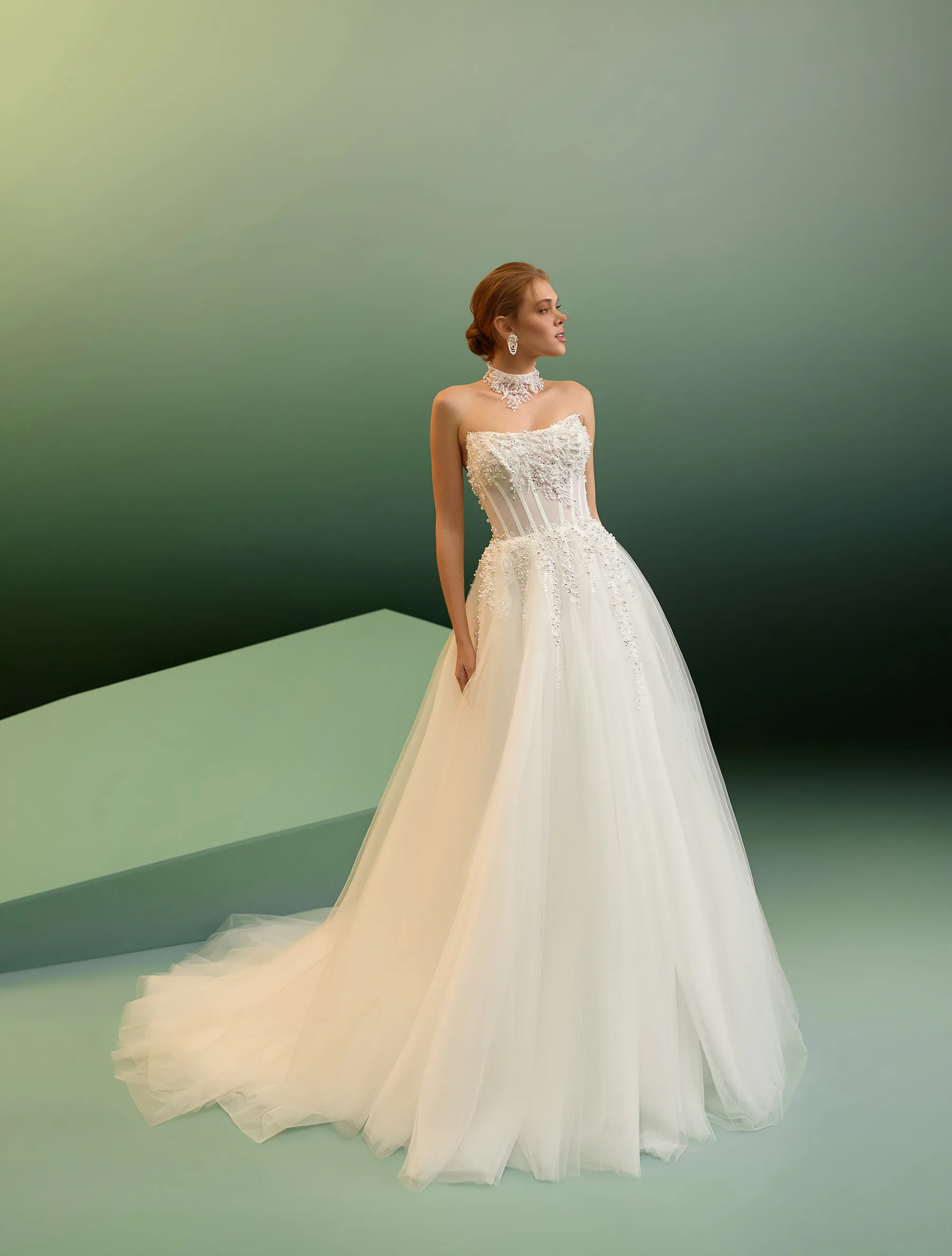
In short. Your full budget is more than the dress itself.
What should you consider?
Your full budget is more than the dress itself. Consider your timeline, comfort and preferred style, and ask the boutique about the details relevant to your chosen dress.
What matters during your fitting?
Your full budget is more than the dress itself. Try moving naturally in the dress and check how the fit feels rather than relying only on photographs.
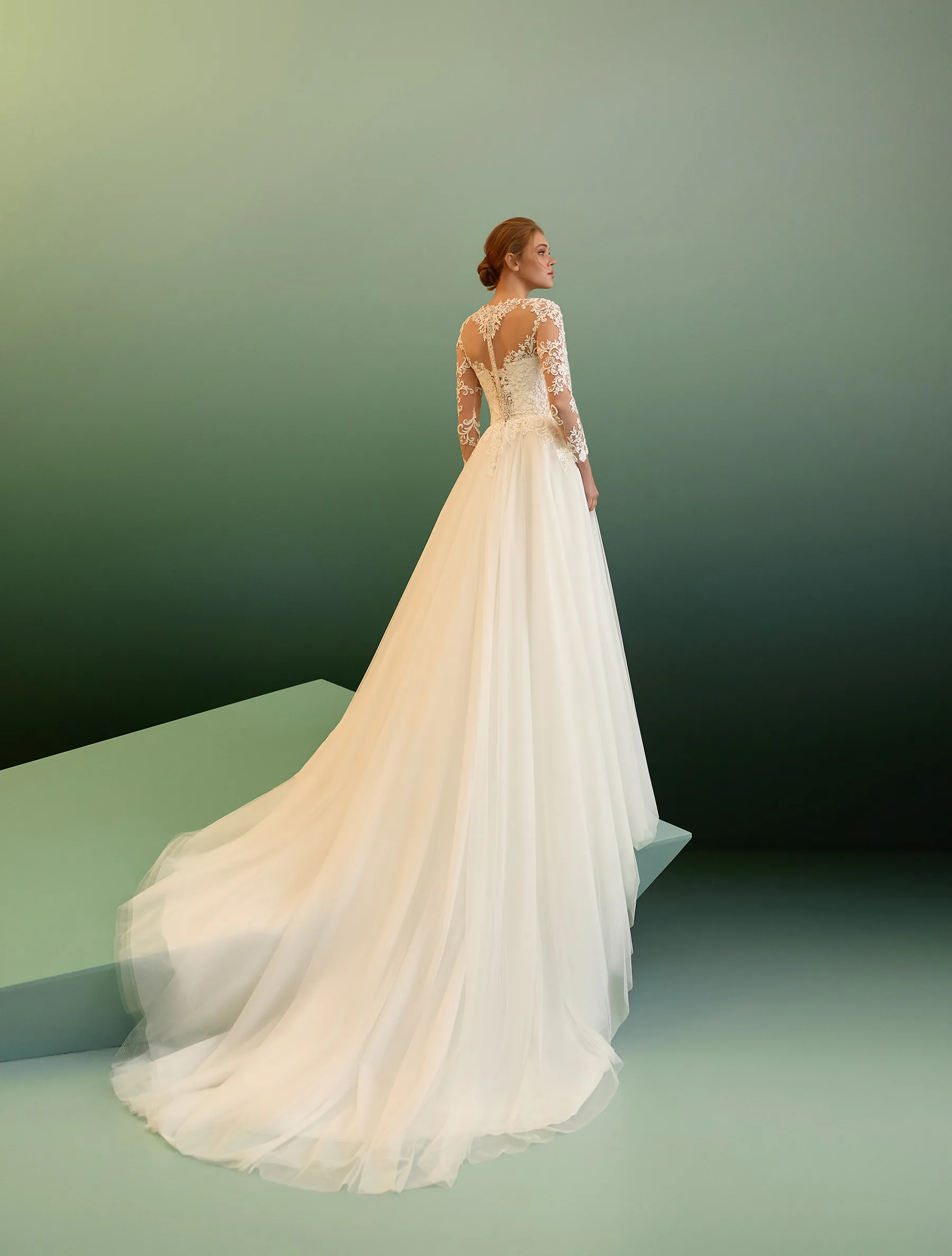
What should you ask next?
Your full budget is more than the dress itself. Ask about confirmed availability, alterations and practical next steps before making your decision.
Plan the whole budget
When setting your budget, try not to focus only on the price tag attached to the dress. Write down the amount you are comfortable allocating to the gown itself, then consider what you might need to complete the outfit. Shoes, veil, jewellery, hair accessories and suitable underwear can seem like small details until you add them together. You do not need to buy everything at once. It helps, however, to know which pieces genuinely matter to you and where you would prefer to invest. Thoughtful planning lets you enjoy the decisions without treating each later purchase as an unwelcome surprise.
Accessories that affect the fit
Some accessories are mainly about style; others affect how the dress fits and falls. A deep neckline or open back may call for underwear very different from what you wear every day. Your shoes matter for the hem length, while a long veil can change the overall impression of the outfit. Before buying every item, consider how the pieces work together. Expensive accessories are not automatically more suitable. Sometimes one carefully chosen detail is enough, allowing the dress itself to remain the focus. A complete bridal look should feel coherent and personal, not like a checklist of things you must own.
Questions about alteration costs
Alterations are another conversation worth having before making a final commitment. A dress might need hemming, changes around the bust or other adjustments, but the possibilities and costs differ by model and boutique. Ask what is included in the quotation for your particular gown and which services may be separate. Do not calculate an alteration allowance using a percentage you have seen online without understanding the actual work. If your gown has a train, ask how it can be secured for dancing and whether a fastening arrangement is already part of the design. Practical details matter in the final budget.
Do you need a second dress?
Perhaps you have seen photographs of brides wearing two beautiful dresses and feel tempted to plan one for the ceremony and another for the party. A second outfit can be lovely, but it is not a requirement. Before stretching your budget, consider how comfortable you feel in the first dress, whether you can move freely and how the train might be managed. Sometimes one gown will work beautifully throughout the day. At other times, changing may suit your plans and personal style. Either option is valid when it reflects what you actually want rather than a trend you feel obliged to follow.
Keeping your boundaries comfortable
Budget decisions also have an emotional side. When you fall in love with a gown, wanting to make space for it is understandable. That does not mean you must abandon every financial boundary to have a beautiful wedding. Decide on an amount you feel comfortable with and discuss it openly at your fitting. A consultant can guide you towards relevant options, although actual prices and availability must always be confirmed for each dress. Compare more than the headline figure: consider what the quoted arrangement includes, how alterations are handled and what the process looks like before handover.
Understanding flexible payment
A flexible payment approach can change how you organise wedding expenses without removing the need for informed choices. At Maison Mireille, the experience begins with a complimentary private fitting. After choosing your gown, you pay a deposit. The dress is then altered and handed over before your wedding, and the remaining balance is paid after the celebration. We prefer to explain the concept clearly rather than make every conversation about money. The aim is to give you the freedom to concentrate on how you feel in the dress, while understanding the practical steps ahead.
You do not need every answer at the beginning. Start with what you like and stay open to discovery.
A practical checklist before you decide
- Begin with an amount you feel comfortable spending, not the price of the most dramatic photograph.
- Budget separately for shoes, veil, underwear and hair accessories.
- Ask which alterations are included in the quotation for your specific gown.
- Do not assume all boutiques include the same services or charge in the same way.
- Check the neckline and back before buying specialised bridal underwear.
- A long veil can change the proportions of your entire outfit and accessory choices.
- A second party dress is optional, not a condition of a successful wedding.
- If you choose a train, ask about a fastening arrangement for dancing.
- Do not select shoes only for appearance; heel height affects the finished length.