

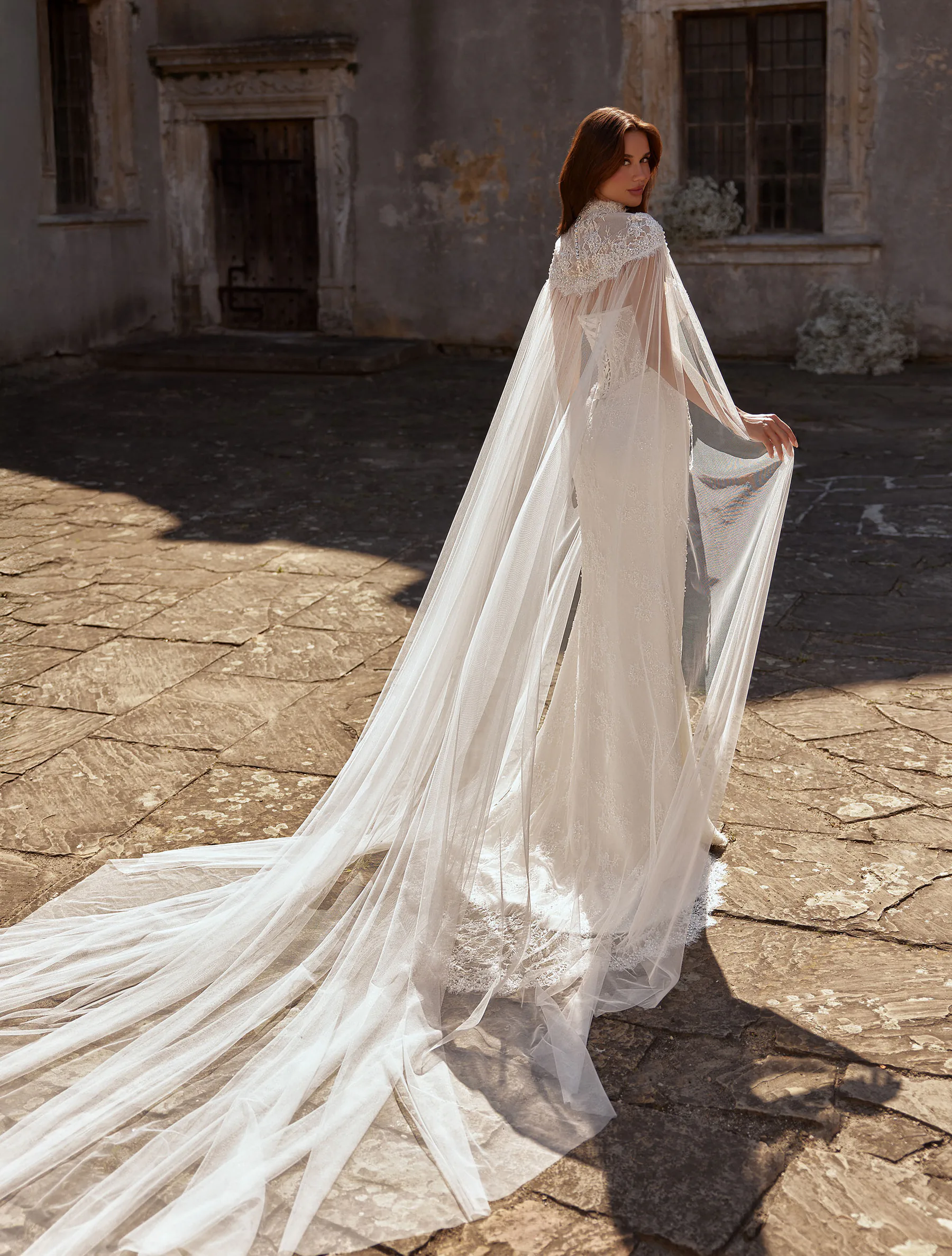
In short. Your first fitting is not an exam. It is a chance to discover how a dress feels.
What should you consider?
Your first fitting is not an exam. It is a chance to discover how a dress feels. Consider your timeline, comfort and preferred style, and ask the boutique about the details relevant to your chosen dress.
What matters during your fitting?
Your first fitting is not an exam. It is a chance to discover how a dress feels. Try moving naturally in the dress and check how the fit feels rather than relying only on photographs.
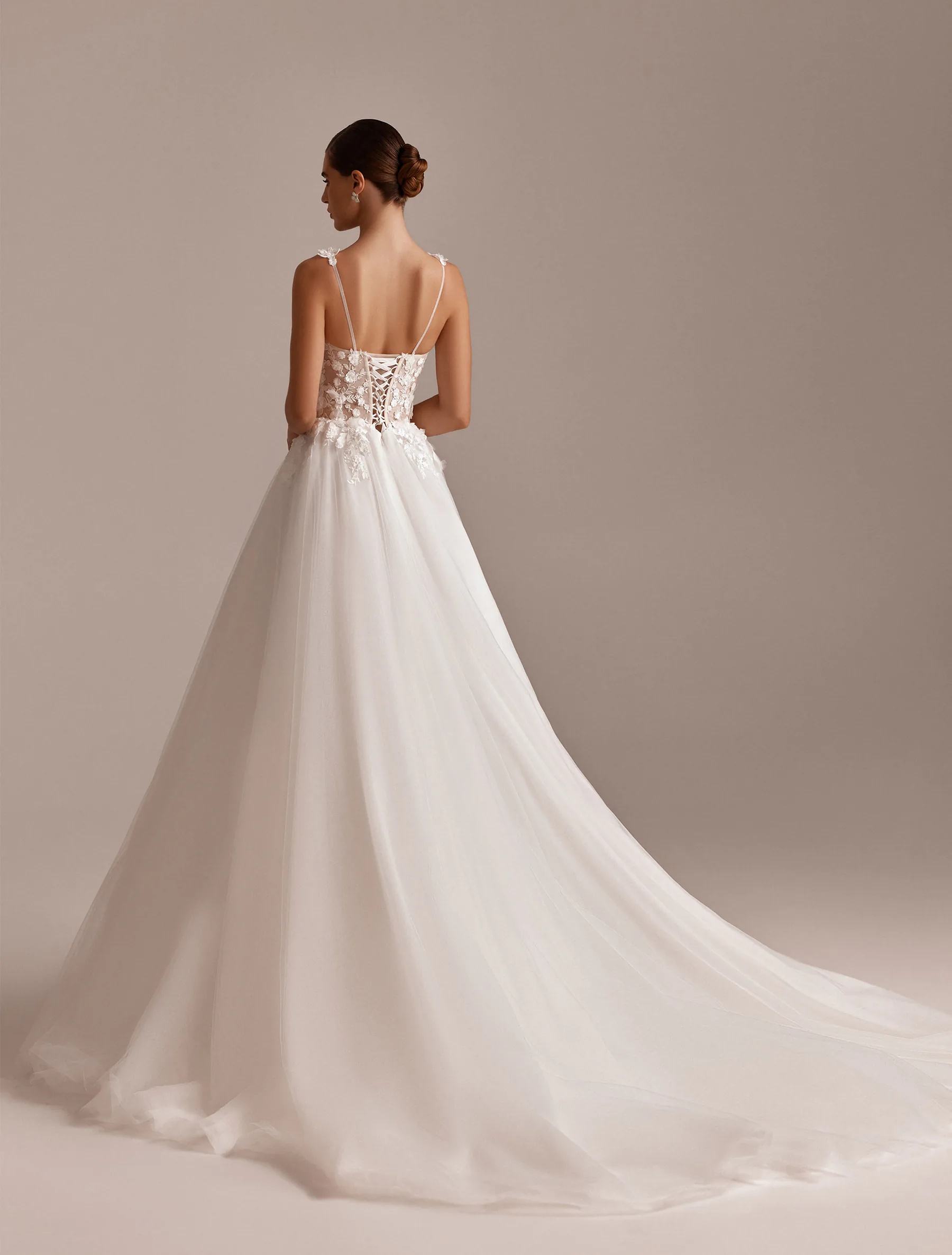
What should you ask next?
Your first fitting is not an exam. It is a chance to discover how a dress feels. Ask about confirmed availability, alterations and practical next steps before making your decision.
What should you bring to the fitting?
Before you book, look again at the dresses you have saved and ask yourself what they have in common. Perhaps you are drawn to a defined waist, a delicate neckline, flowing fabric or a particular kind of texture. You do not need to know every bridal fashion term to describe what you like. A handful of photographs and two or three preferences are enough to begin a useful conversation. It also helps to know what you do not want, although you should leave room to change your mind. A first appointment is an opportunity to discover, not a test of how thoroughly you have prepared.
Who should come with you?
Think about who you would like to bring with you. Choose companions whose opinions help you feel confident rather than people who make you defend every choice. Too many different voices can make a lovely experience surprisingly complicated. Ask the boutique beforehand how many guests you may bring and what the appointment involves, so everyone knows what to expect. Equally, it is perfectly reasonable to attend your first appointment on your own. You can always share your thoughts afterwards. The important thing is that the dress reflects how you want to feel on your wedding day, rather than becoming a compromise between everyone else's preferences.
See beyond the mirror
When you step into the first dress, look at the overall shape before examining each small detail. How does it change your posture? Do you like the balance between the bodice and skirt? Can you move naturally? Then try practical movements: raise your arms, sit down, walk a few steps and turn around. Notice whether a sleeve restricts you, whether the waist feels uncomfortable when seated, and whether you keep catching the hem. A sample dress may not fit perfectly, but the appointment should give you an honest impression of how the design works. Mention any discomfort, even when the dress looks beautiful in photographs.
What can actually be altered?
Do not assume that every imperfect fit rules out a dress. Boutique samples may be a different size or length from the one you eventually wear. Instead, ask which changes are genuinely possible for that particular design. A neckline, structured bodice or delicate sleeve cannot necessarily be transformed without changing the appearance and support of the dress. It is useful to distinguish a straightforward alteration from a major redesign. Good guidance is specific about what can be achieved and where there may be limitations. That clarity matters far more than a reassuring promise that everything can always be changed later.
How do you compare the dresses?
After several fittings, give yourself a quiet moment to think about the designs you remember without looking at your photographs. Perhaps it is not the most dramatic dress, but the one in which you felt most at ease. If two styles seem equally appealing, compare comfort, movement, fabric, practicality and the atmosphere of your wedding. Consider how you might feel walking to the ceremony, sitting for dinner and dancing later. Pictures are helpful records, but they cannot capture everything you felt while wearing a gown. There is no need to turn the decision into a competition or choose the most elaborate option.
What should you know before leaving?
Before leaving, ask for a recap of the dresses you liked, their confirmed availability and any relevant next steps. This is a good moment to discuss shoes, accessories, alterations and the wedding date. You do not have to purchase a gown simply to justify the time spent at your appointment. A useful fitting may also reveal which silhouettes are not right for you, and that knowledge makes the next decision easier. At Maison Mireille, the fitting is complimentary and the boutique is dedicated exclusively to you. The intention is to make room for thoughtful choices rather than hurried ones.
You do not need every answer at the beginning. Start with what you like and stay open to discovery.
A practical checklist before you decide
- Check whether the specific gown you saved is available to try during your proposed appointment.
- Bring your wedding date, but do not feel obliged to have every design preference decided already.
- Invite people whose opinions support your choices rather than making you defend them.
- Look at the dress from the side as well as the front to understand its proportions.