

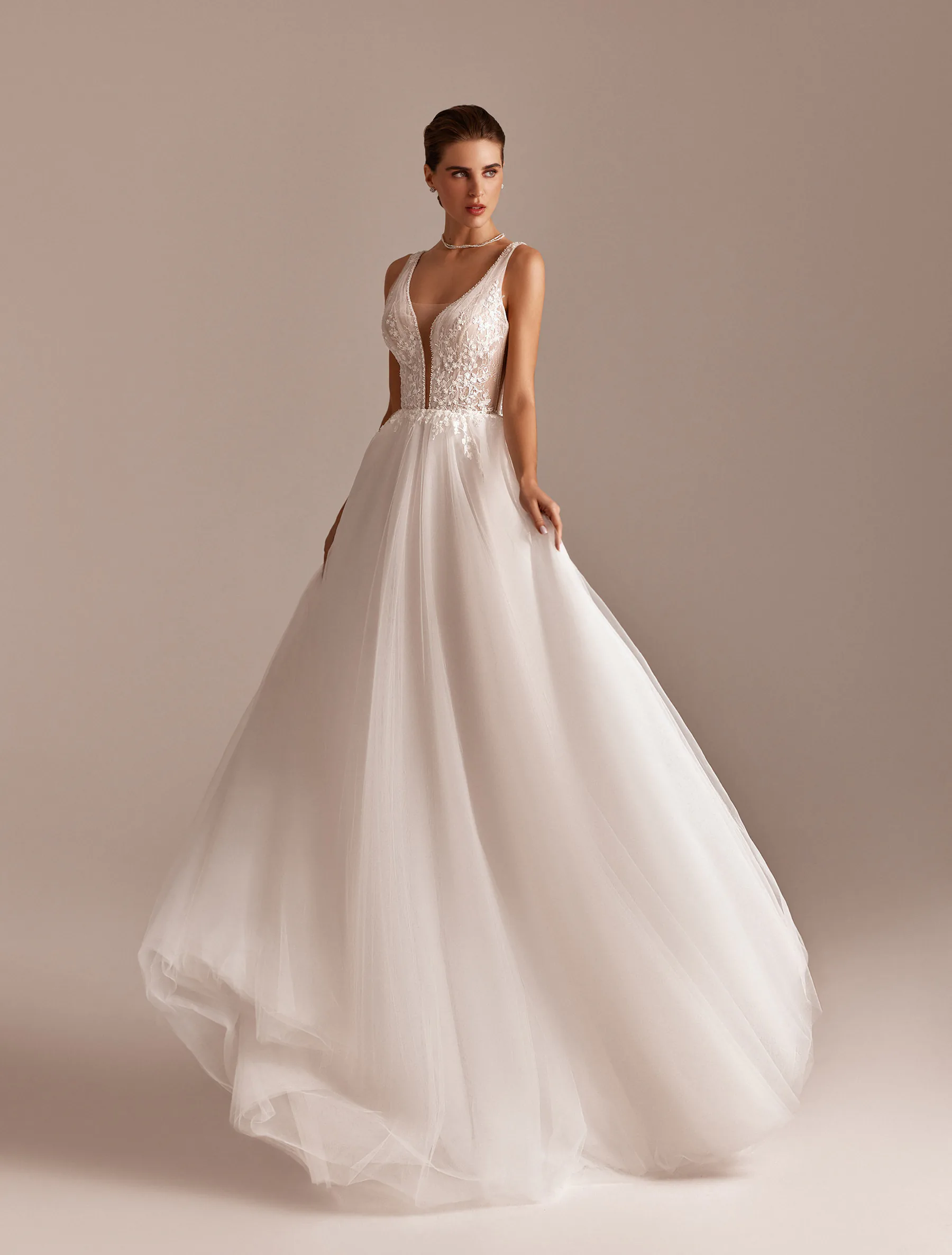
In short. A comfortable timeline leaves space for ordering and alterations.
What should you consider?
A comfortable timeline leaves space for ordering and alterations. Consider your timeline, comfort and preferred style, and ask the boutique about the details relevant to your chosen dress.
What matters during your fitting?
A comfortable timeline leaves space for ordering and alterations. Try moving naturally in the dress and check how the fit feels rather than relying only on photographs.
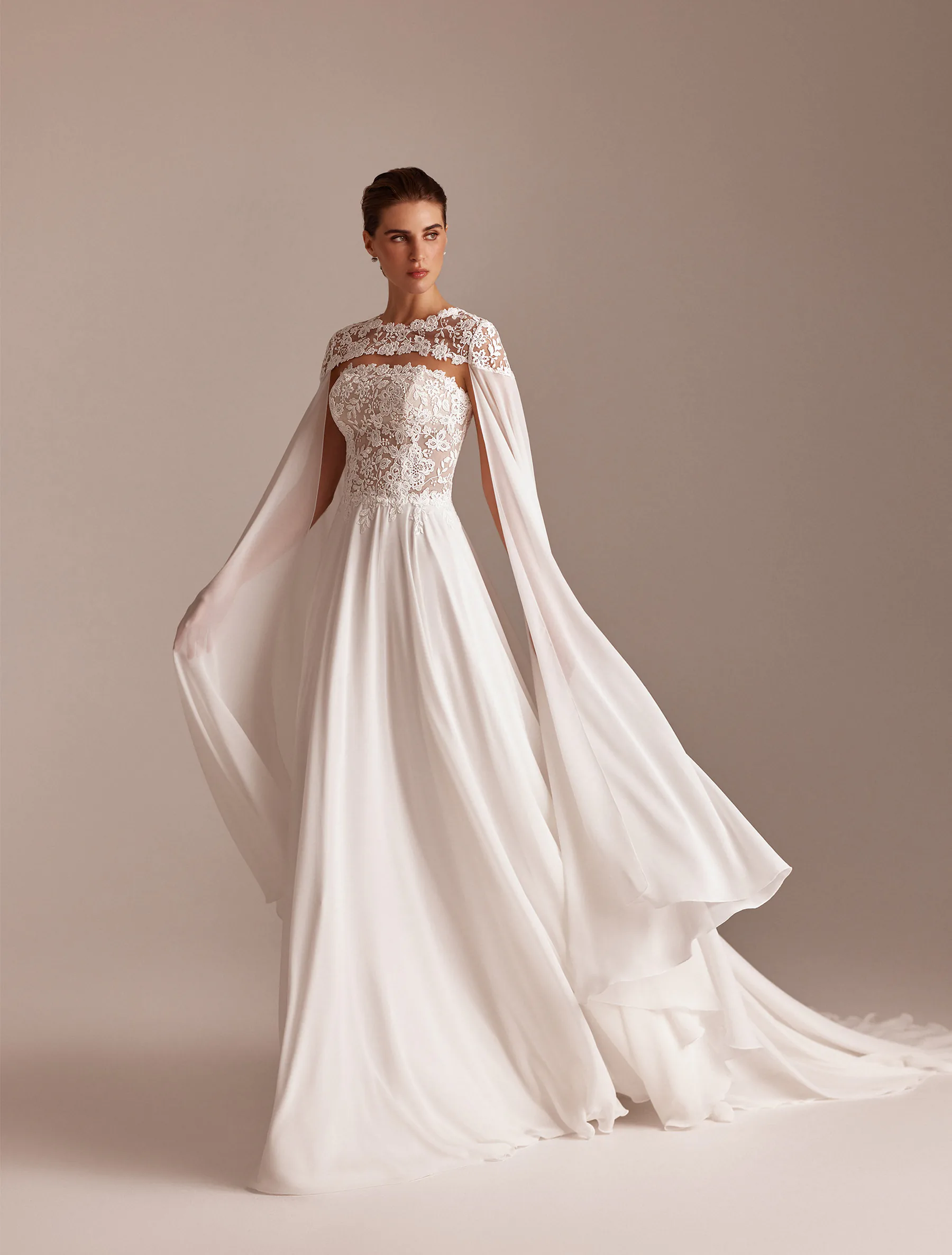
What should you ask next?
A comfortable timeline leaves space for ordering and alterations. Ask about confirmed availability, alterations and practical next steps before making your decision.
Start with your date and setting
Your wedding date is the starting point, but the search for a dress should not become another source of anxiety. Write down what you already know: the season, venue, travel plans and how certain you feel about your preferred style. If the wedding is some time away, early appointments can help you understand silhouettes and materials. If it is approaching quickly, focus on confirmed availability and realistic next steps. In either case, a conversation with the boutique is more useful than following an inflexible timeline from an online checklist. Every dress has its own practical journey.
Stock, orders and alteration time
One of the biggest timing differences is whether a particular gown is available in stock or must be ordered. Production and delivery times vary between collections, and availability may change. Do not take an estimate from a general article and assume it applies to your chosen dress. When a design becomes a serious contender, ask specifically what can be confirmed for that model. If alterations are needed, remember that these form part of the process too. Having a gown properly prepared matters more than making an unnecessarily hurried purchase simply to feel that one more wedding task has been completed.
Allow time to explore your style
Your tastes may change as the wedding takes shape. Perhaps you imagined a very full skirt at first, but after choosing the venue you find yourself drawn to simpler lines. That is a perfectly reasonable part of planning. Separate gathering inspiration from making a final decision. Save photographs, compare silhouettes and look for details that appear repeatedly among your favourites. At a fitting, remain open to styles that did not catch your attention online. You do not need to study every collection before making an appointment. A few thoughtful preferences are enough to begin a productive conversation.
Final fittings and shoes
As the wedding approaches, practical details become more important. Shoes, underwear and accessories can change how the dress fits and feels. Heel height is particularly relevant when the final hem is being established. If you intend to change shoes during the celebration, mention this early. Ask when final adjustments should be checked and how collection or delivery will work. Avoid copying another bride's alteration schedule without considering your own gown. The correct approach depends on the design, fabric and adjustments actually required. Clear communication saves stress much more effectively than guesswork.
When the wedding is approaching
If your wedding is close, try not to confuse urgency with having no options. Ask the boutique which gowns are available to try and what can realistically be prepared in the remaining time. At the same time, do not choose a dress based on an assumption that every alteration can be completed immediately. A complex bodice or skirt detail may need careful work. Honest guidance about what is feasible can prevent disappointment later. Keep a shortlist of designs that meet both your aesthetic preferences and the practical deadline. A manageable, realistic choice is still something to celebrate.
A calm plan for the final weeks
In the final weeks, you will have plenty of other decisions competing for your attention. A clear plan for the dress can make this stage feel calmer. Write down what needs checking, which accessories must be ready and where you will store the gown after receiving it. Decide who will help you get dressed, especially if the fastening is intricate. You do not have to control every minute of the day. You simply need the important steps to be understood and confirmed so that, when the wedding morning arrives, you can enjoy getting ready rather than solving last-minute problems.
You do not need every answer at the beginning. Start with what you like and stay open to discovery.
A practical checklist before you decide
- Share your wedding date with the boutique at the first conversation, even if you have not chosen a design.
- Confirm product availability separately from any time needed for alterations.
- Do not apply one generic delivery estimate to every designer and collection.
- If the wedding is close, focus on confirmed options and a realistic preparation schedule.
- Allow time to choose shoes and accessories that may influence the final fitting.
- Discuss the consequences before changing heel height after the hem has been set.
- A gown already in stock can still require careful adjustments before handover.
- Write down what remains to be confirmed about ordering, alterations and receiving the dress.
- Do not rush a decision simply because someone else bought her dress much earlier.